What's Happening
See All Events
Toddler Tracks
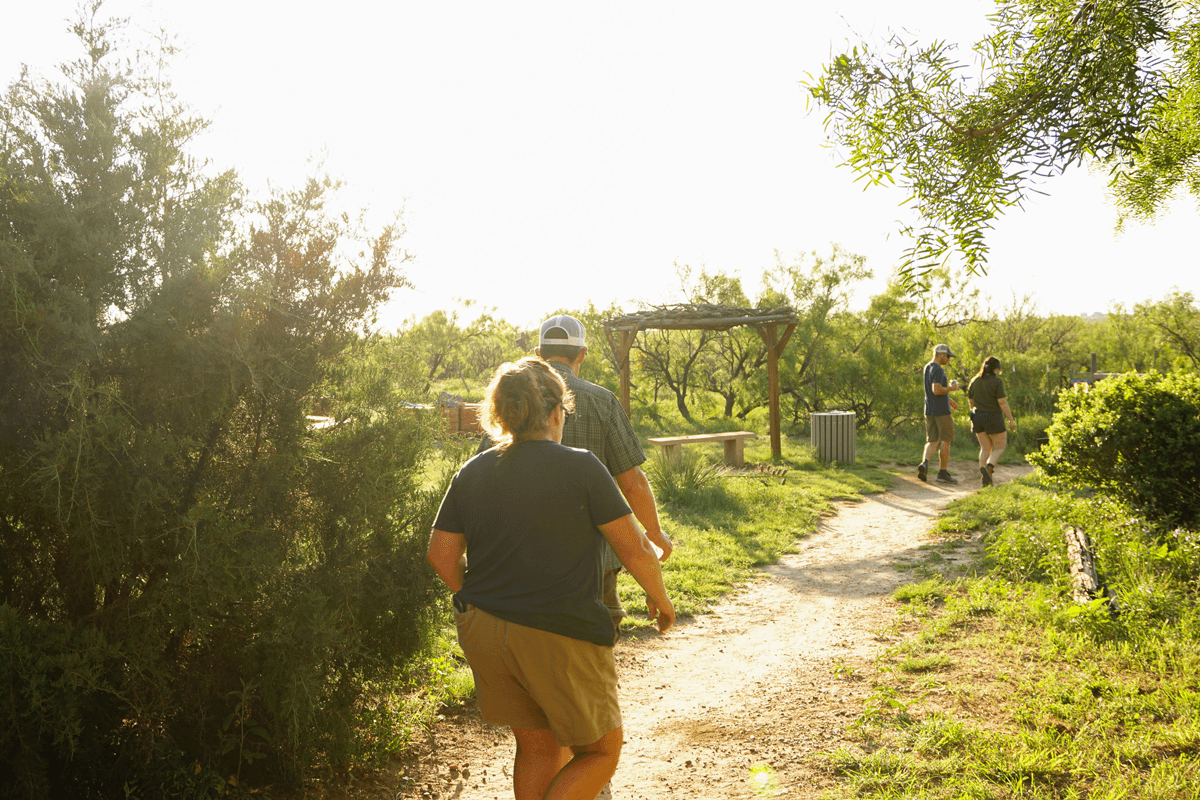
Toddler Tracks is for explorers age 5 and under and a caregiver. Wildcat Bluff will host a nature-themed storytime, do a craft or hands-on activity, and go for an optional nature walk on Libb’s Trail...

Guided Hike
Hike on established Wildcat Bluff trails learning about the Bluff’s history, geology, and the plants and animals that call the great plains home. Plan for 1 to 1 1/2 hours of reasonably moderate hiking...
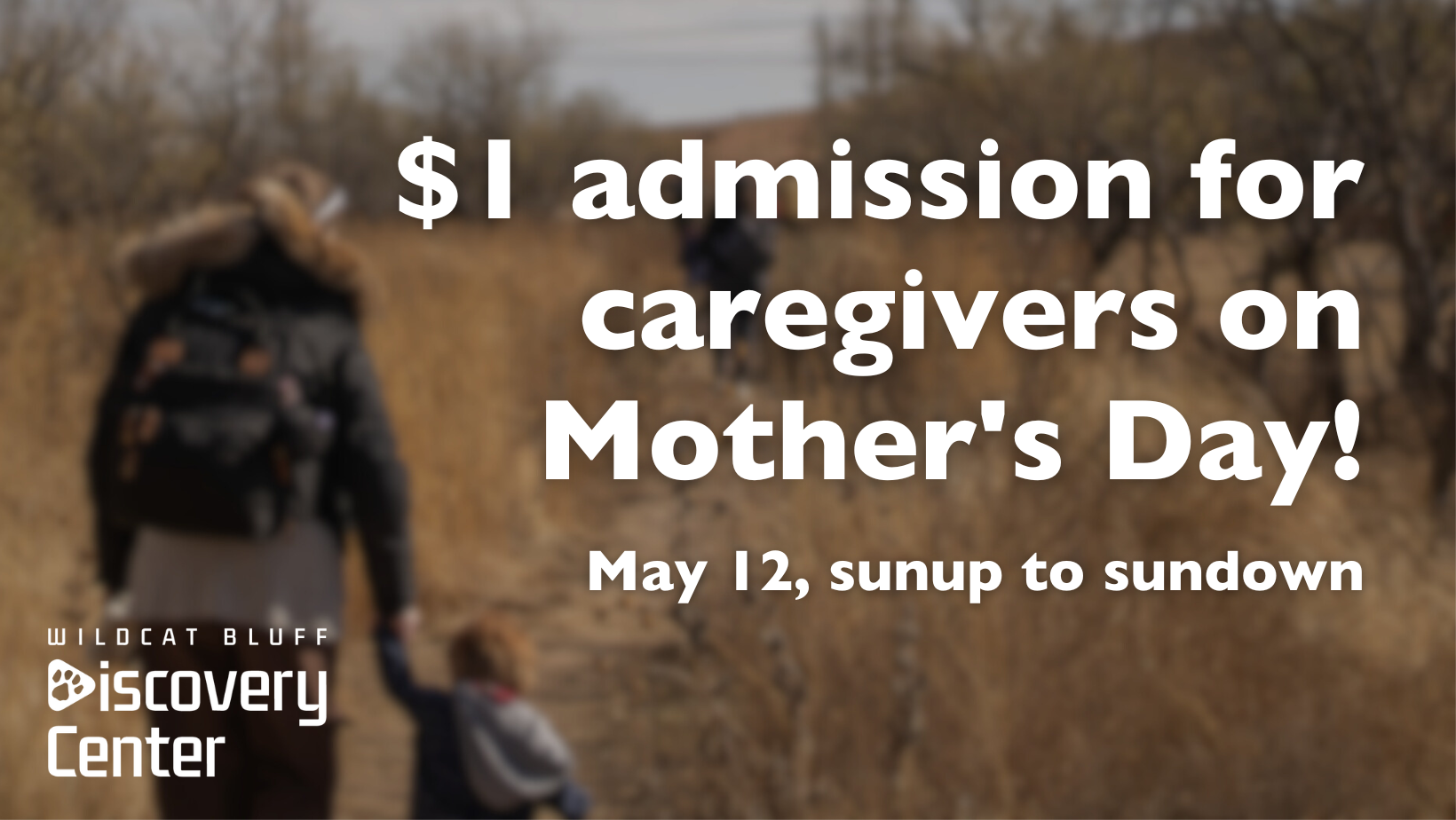
Mother's Day at WBDC
We are thankful for moms, grandmas, aunts, and the rest of the village! To celebrate, we're offering ONE DOLLAR ADMISSION to caregivers on Mother's Day! Make some new memories together and TAKE A HIKE...
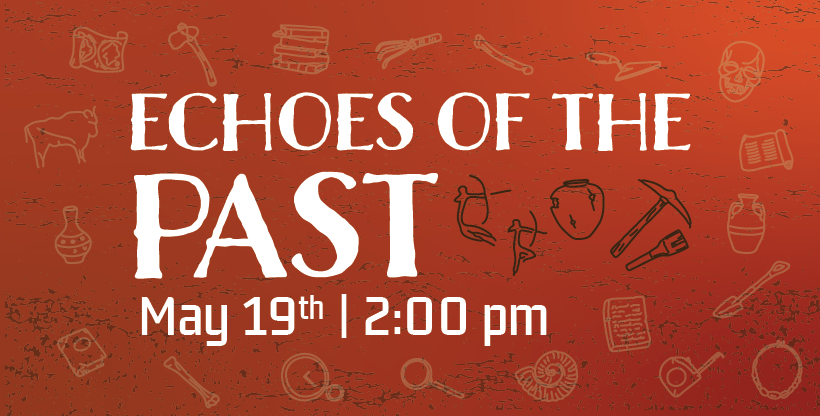
Echoes of the Past
Join us for a blast into the past with our on-staff archaeologist! Learn about the history of our world and the Texas Panhandle! Find your place in the pages of the earth's story with Echoes of the Past. In...
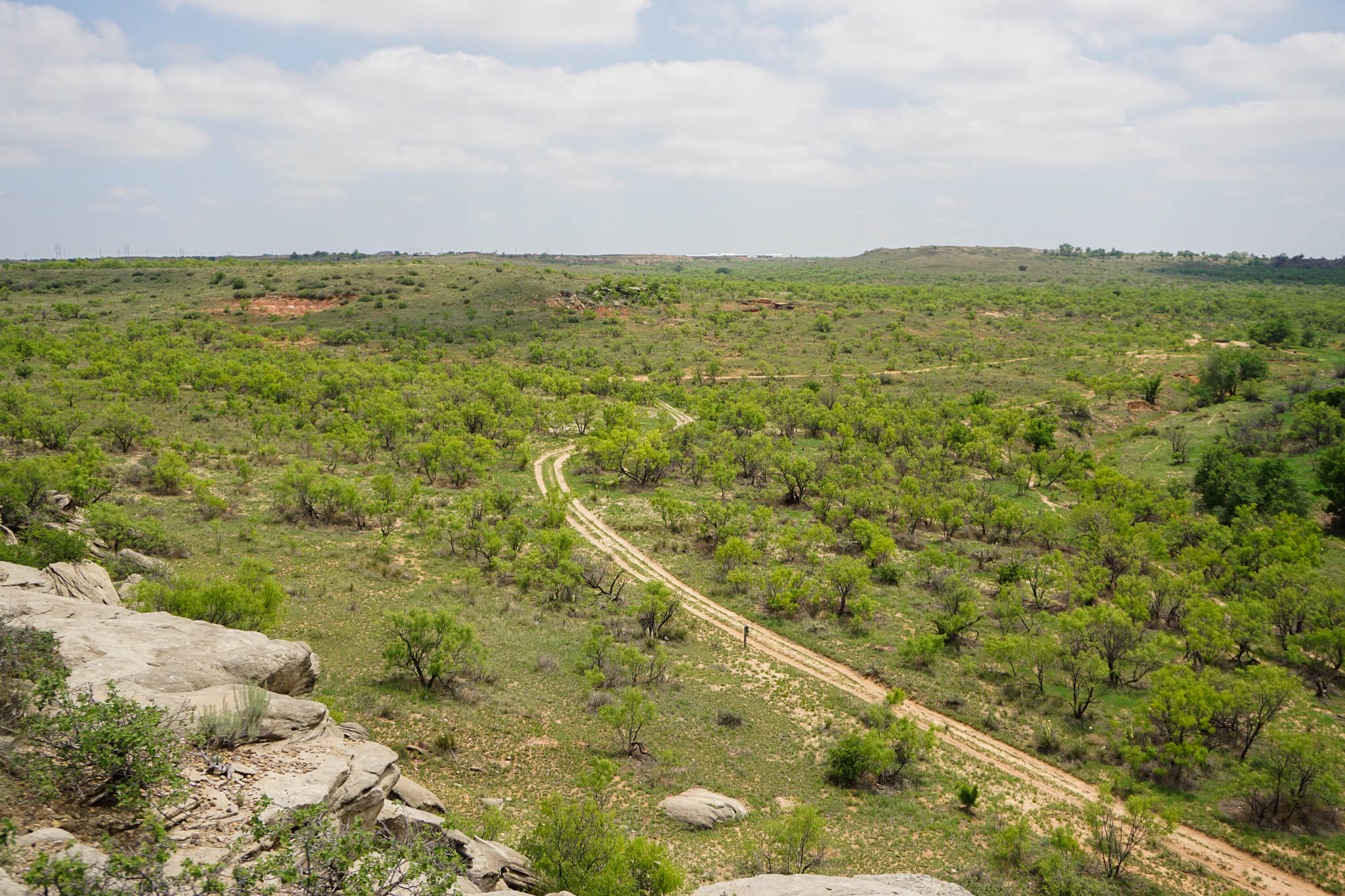
Explore our Trails
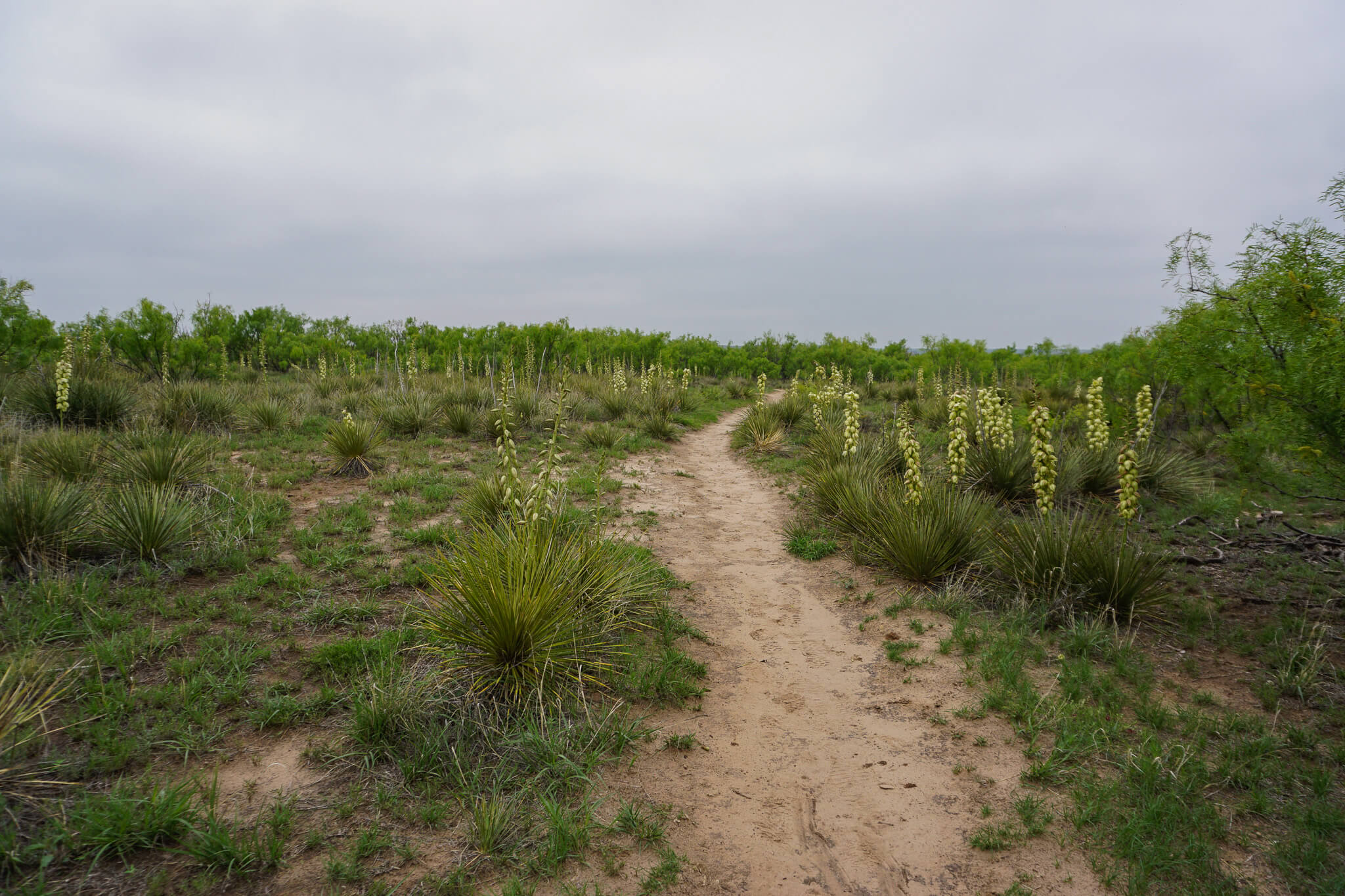
Discover tranquility and natural beauty, from serene mesquites to vast grasslands and remarkable rock formations.
Before you set off:
- Safety First: Wear sturdy shoes and carry water. Enjoy the Bluff Overlook responsibly — no climbing on the rocks.
- Eco-Friendly: No glass, alcohol, or smoking. Stay on marked paths and carry out all trash.
- Share Your Experience: We value your perspective! Share your moments on Facebook and Instagram.
- Pet-Friendly: Leashed dogs are welcome; please clean up after them.
- Biking: Allowed on Tuesdays, except on the Gnarly Mesquite Trail.
I am text block. Click edit button to change this text. Lorem ipsum dolor sit amet, consectetur adipiscing elit. Ut elit tellus, luctus nec ullamcorper mattis, pulvinar dapibus leo.
Education Programs
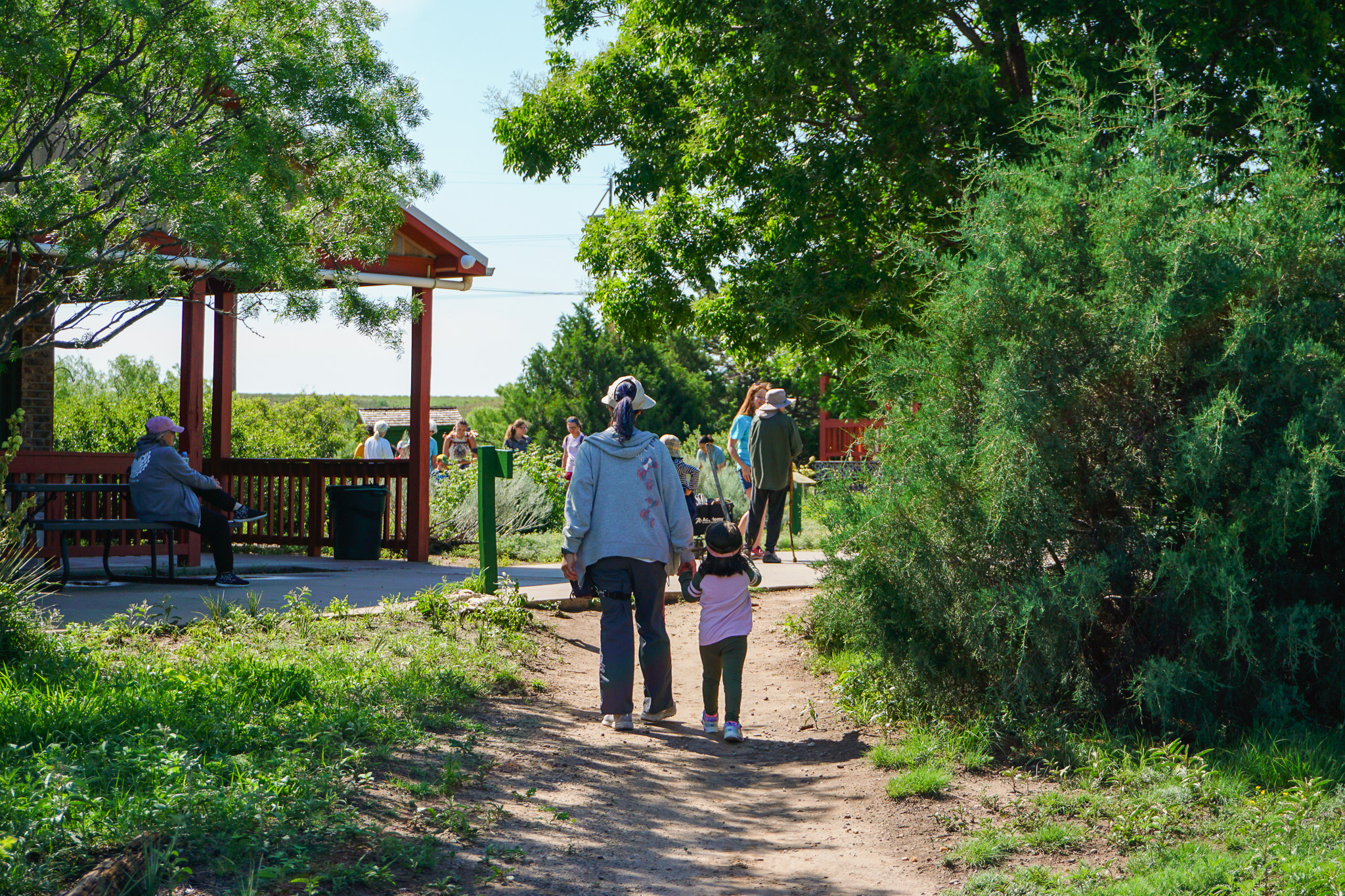
Field Trips
Field trips at Wildcat Bluff Nature Center offer students a vibrant, hands-on learning experience. Tailored to inspire curiosity and foster a deep connection with nature, while also being TEKS-aligned with teachers in mind, our field trips are one to remember!
Learn More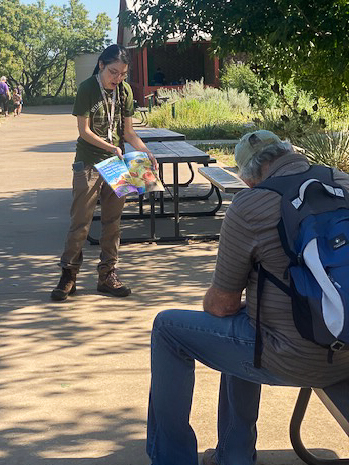
On-Your-Campus Programs
With our 'on-your-campus' offerings, we bring the wonders of the Texas Panhandle right to your school or organization. Tailored to provide an immersive learning experience, students can "Discover Nature Close to Home" right where they are. Engaging, hands-on, and deeply educational, it's Wildcat Bluff's commitment to nature education, delivered to you. Meet us at your place, and let's explore together!
Learn More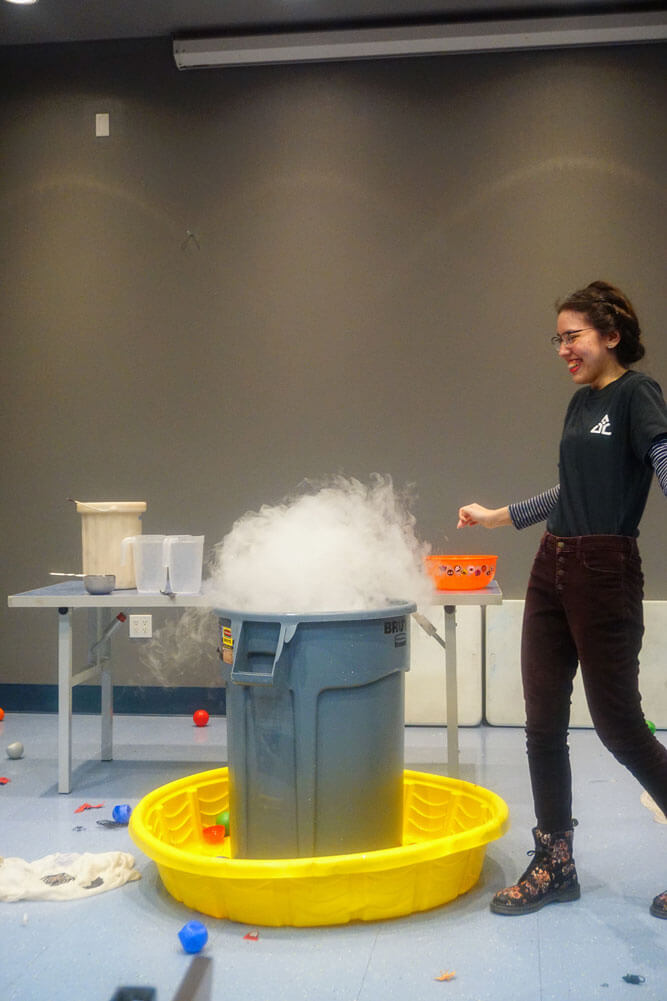
Virtual Programs
With Wildcat Bluff's virtual programs, you can "meet us at the Bluff" digitally, immersing your classroom in the rich flora, fauna, and geology that define the Texas Panhandle. Interactive and engaging, these virtual labs and LIVE shows are a chance to discover nature without leaving the classroom.
Learn More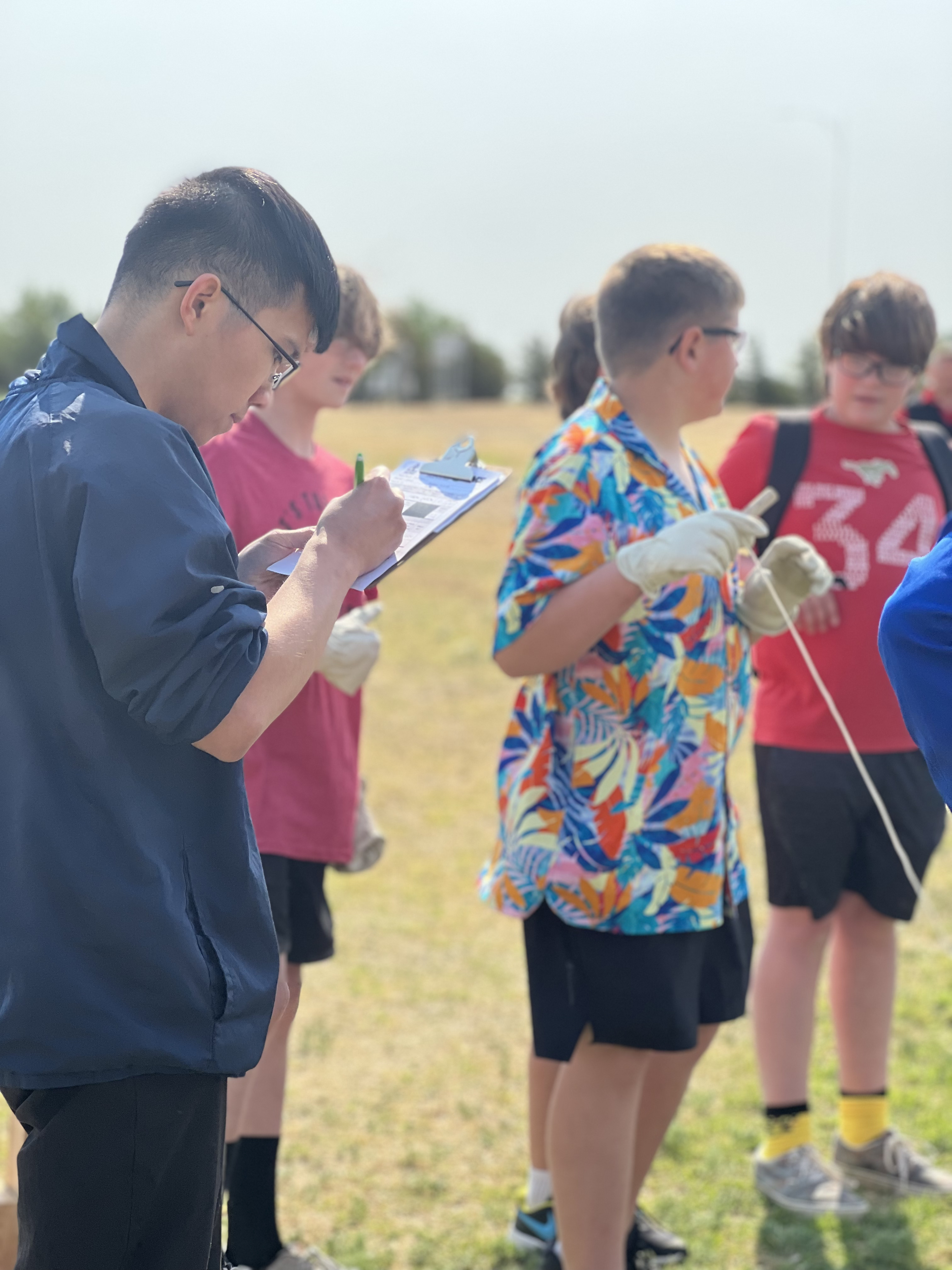
Education Events
Events for students of all ages that span from STEM-based engineering competitions to the science behind wild weather!
Learn MoreBook Your Next Event With Us
Birthday Parties
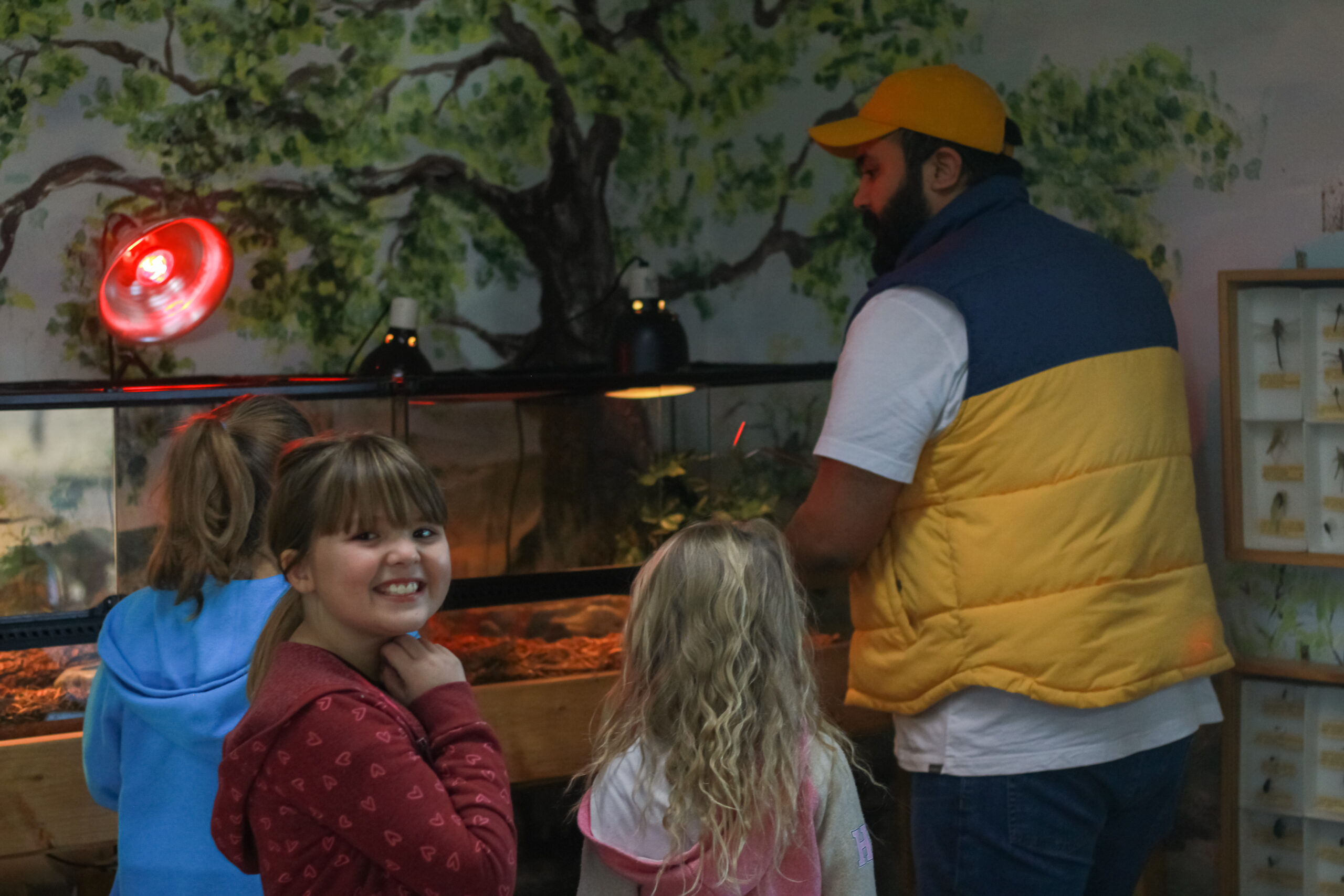
Celebrate your birthday by discovering something new! Make it your own - two site locations to choose from, fully customizable to fit your needs!
Learn More
Event Rentals
More Information Coming Soon For inquires please email [email protected]
Host your next Meeting with us
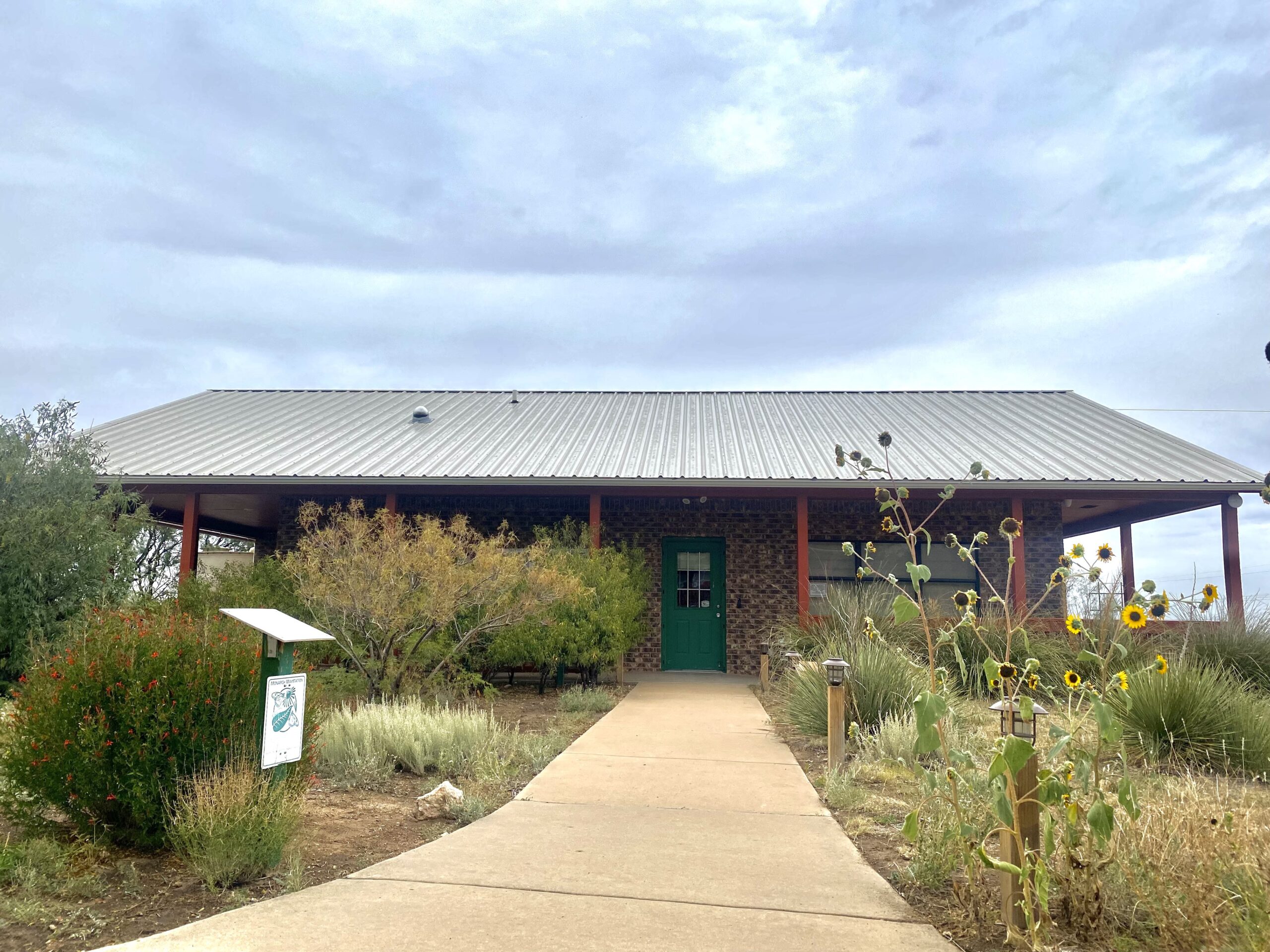
More Information Coming Soon For inquires please email [email protected]
Give the Gift of Exloration
Wildcat Bluff Discovery Center could not exist without the support of the community and our donors. Our operating budget includes about 40% from donations, grants, and other contributions. Very simply, we can’t do what we do without you. We were started by the community and continue to be here for the community.